+86-4000873883


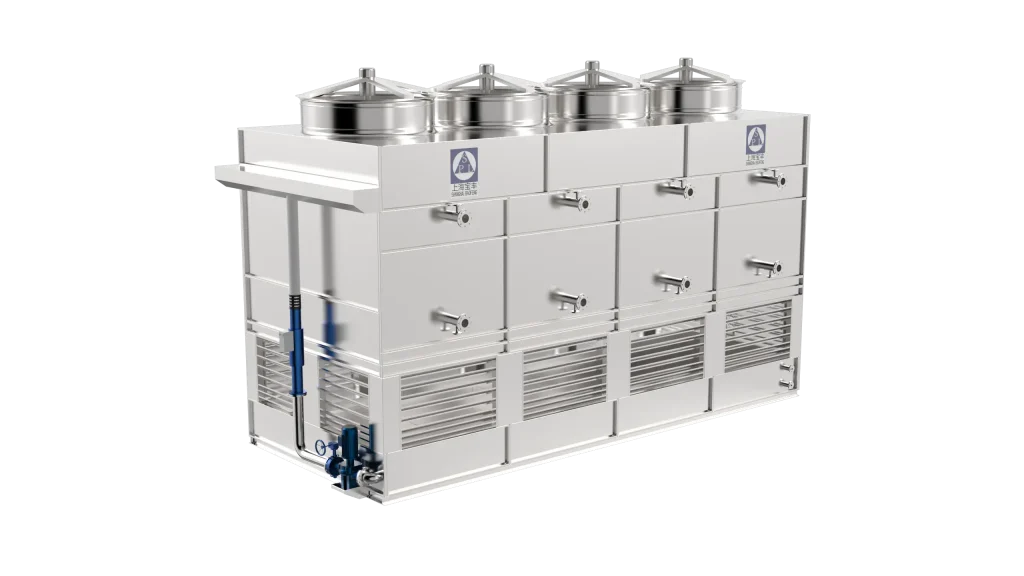
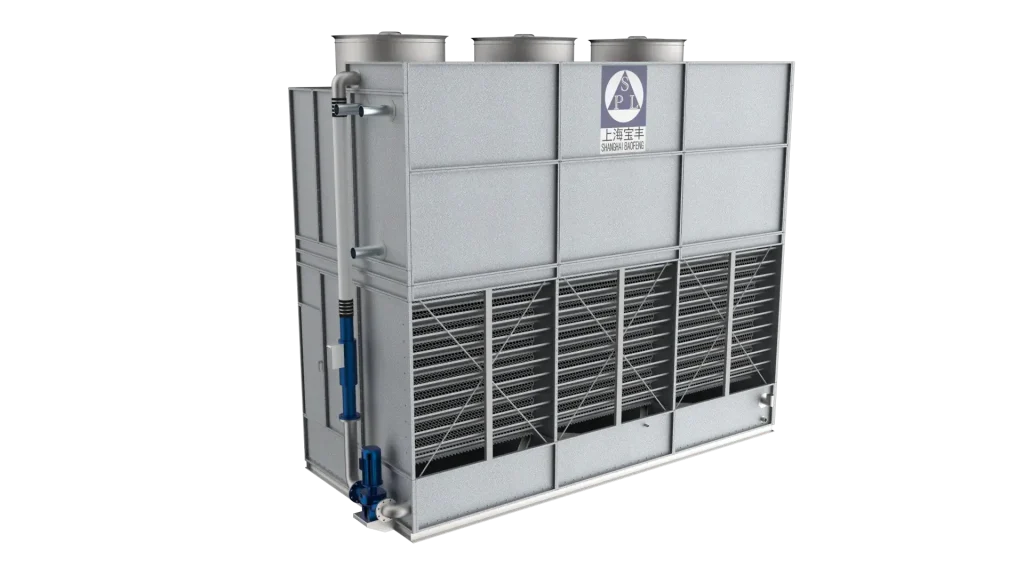
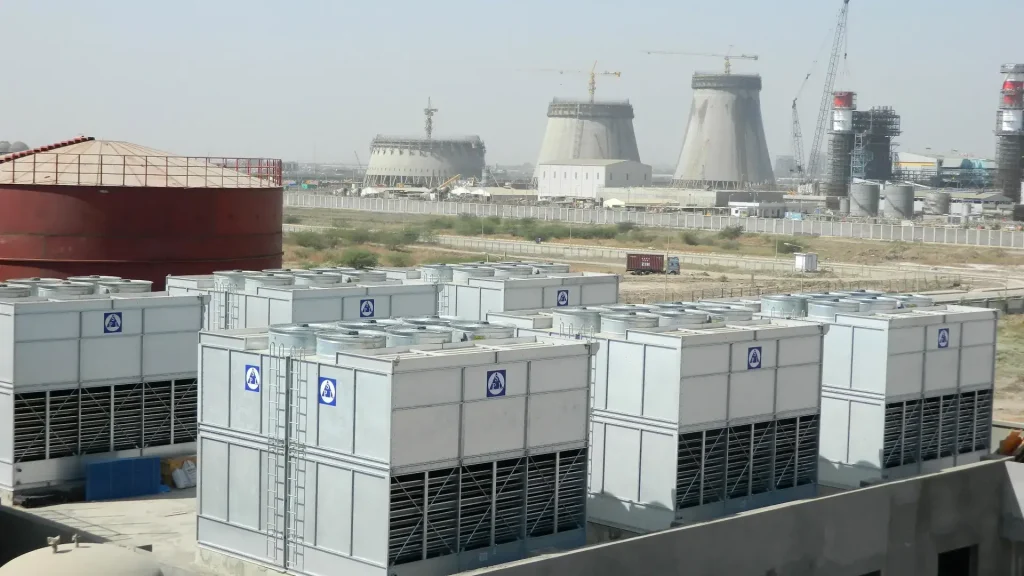
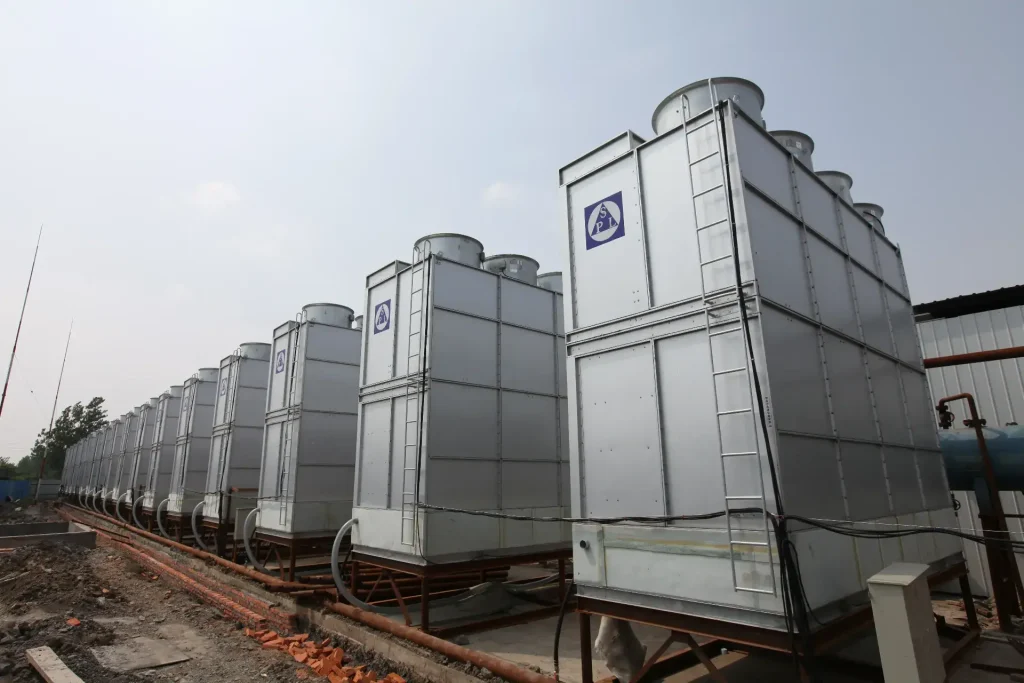
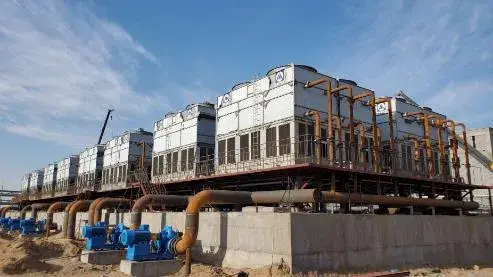
SPL closed-loop cooling towers represent a more efficient, energy-saving and environmentally friendly cooling solution than conventional systems, offering a viable alternative. This article examines their merits across three key dimensions: cooling efficiency, environmental performance and economic benefits.
1. Cooling Efficiency
Closed-loop cooling towers demonstrate superior cooling efficiency compared to traditional systems. Conventional systems typically employ open cooling towers for temperature reduction, which presents several issues. Firstly, open cooling towers require substantial quantities of cooling water for heat dissipation. This water is prone to depletion due to corrosion and contamination, necessitating frequent replacement. This not only wastes significant water resources but also generates substantial secondary pollution. Closed-loop cooling towers utilise a sealed circulation system, conserving vast amounts of water while simultaneously reducing the risk of water pollution and secondary contamination.
2. Environmental Protection
Secondly, closed cooling towers demonstrate superior environmental performance compared to traditional systems. Open cooling towers frequently generate substantial water vapour, forming mist-like cooling water haze that poses risks to both the surrounding environment and human health. Concurrently, cooling water in open towers is susceptible to atmospheric pollutants during circulation, exacerbating environmental contamination. In contrast, closed-loop systems minimise water vapour and mist emissions through sealed circulation, substantially reducing environmental impact.
3. Operational Efficiency
Finally, closed-loop cooling towers deliver clear economic advantages. Traditional cooling
Previous News
Differences Between Compound Flow Dual-Inlet Cl...Next News
In the long term, why are closed-circuit coolin...