+86-4000873883


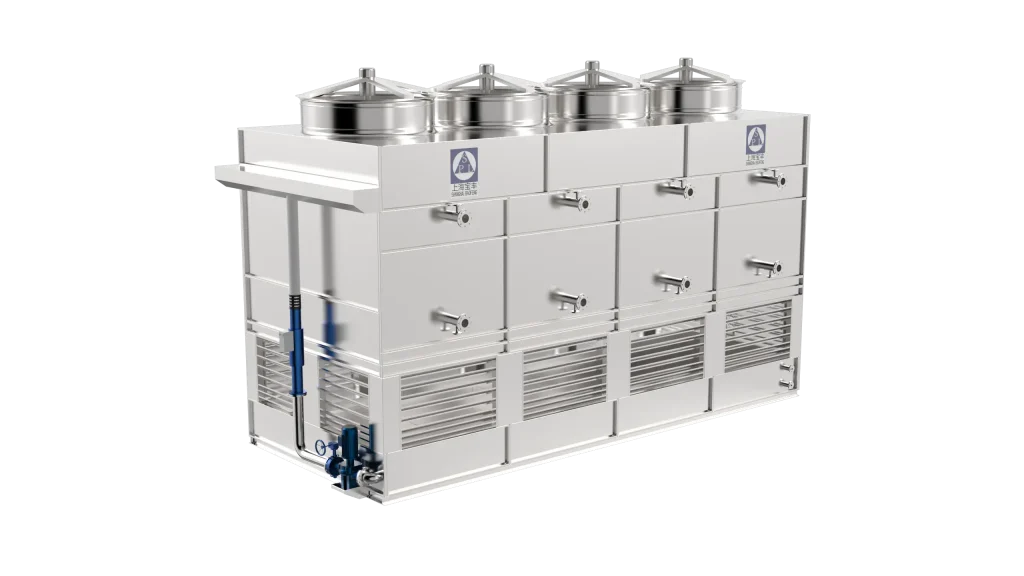
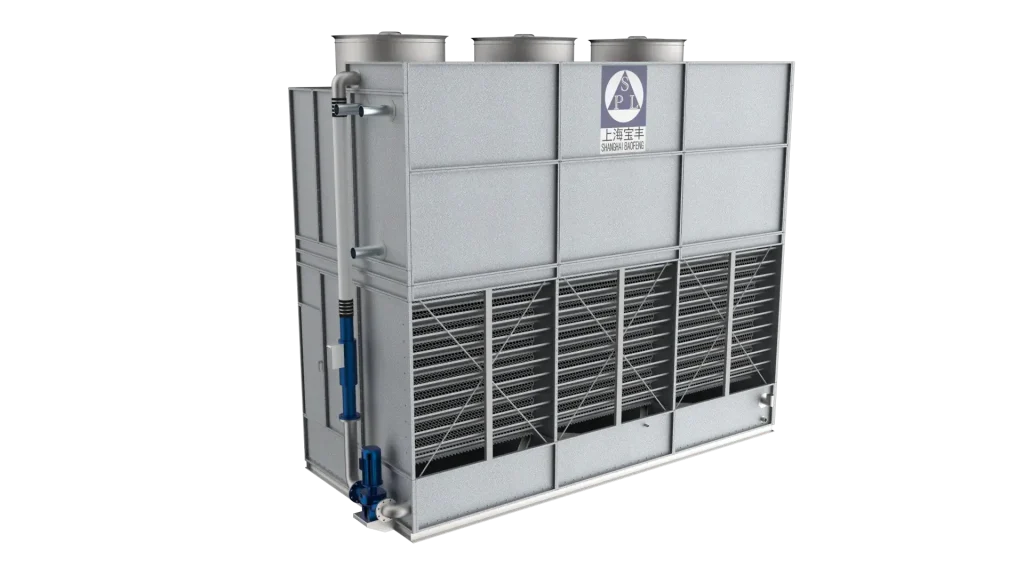
A closed-circuit cooling tower undergoes multiple stages from design to operational deployment to ensure optimal performance and maximised efficiency. The sequence commences with design and preparatory work, followed by assembly procedures encompassing:
– Tower structure erection
– Spray system installation
– Circulation pump fitting
– Water tank and water treatment equipment installation
– Pipework connections and valve fittings
– Hydrostatic testing and no-load commissioning
Throughout assembly, strict adherence to manuals or drawings is essential, alongside observance of safety protocols and verification that all components and equipment comply with relevant standards and specifications. Testing and commissioning constitute critical steps in ensuring the fluid cooling tower operates correctly. Proper assembly and commissioning enable the closed-circuit cooling tower to deliver efficient heat exchange and cooling performance, meeting industrial production requirements.
Closed-Circuit Cooling Tower Assembly Process
1. Design and Preparation.
During the design preparation phase, consider the fluid cooling tower’s specifications, performance parameters, and functional requirements. Typically, specialised software is employed for detailed design calculations and material selection. This must be integrated with on-site conditions to achieve optimal performance, sufficient power capacity, and extended service life. All necessary tools and equipment should be prepared in advance to ensure smooth assembly.
2. Tower Assembly
The tower body constitutes the core component of the closed-circuit cooling tower, encompassing the heat exchange coil and internal framework, equipment housing, fill material and nozzle system, and air handling system. Typically, the steel frame is divided into several modules, each comprising multiple bolts and connecting components. Fasteners in critical areas are made of 304 stainless steel to prevent rusting during prolonged use, thereby extending service life and facilitating maintenance. During assembly, each module should be installed and secured sequentially to ensure a robust and stable tower structure.
3. Installing the Spray System
The spray system is designed to distribute spray water evenly over the heat exchange coils. Typically comprising a spray pump, pipework, and nozzles, the pump selection is a primary design consideration. Its specification must first meet flow rate requirements—a critical factor in software calculations and coil design—balancing evaporation needs without increasing water film thickness that could elevate tube wall thermal resistance. Secondly, while overcoming resistance and meeting nozzle pressure requirements, the head should be minimised to reduce operational power consumption. Finally, details such as nozzle structure, connection methods, and pipe inner surface finish must balance maintenance ease, service life, and energy efficiency considerations.
4. Installation of Circulation Pumps
Circulation pumps provide the driving force for internal water flow, ensuring forward momentum during the internal cooling process. Their fundamental parameters are flow rate and head, with operational energy consumption reflected in power consumption—a primary indicator for assessing energy efficiency ratings. During the design of the Oasis Ice Peak, meticulous calculations were performed based on factors such as the user’s on-site piping layout and system height differential. These calculations encompassed resistance losses within the closed cooling tower, internal resistance losses in production heating equipment, and localised resistance losses at various pipe fittings. If a fully enclosed system is employed, height differential and outlet pressure consumption need not be considered, allowing for a reduction in pump head. Based on these parameters and leveraging Oasis Ice Peak’s two decades of pump manufacturing expertise, appropriate pump types, specifications, and brands are selected. Typically, vertical in-line circulation pumps comprising a motor, pump body, impeller, and seals are employed. Horizontal in-line pumps, generally clean water pumps, may occasionally be used. During installation, attention must be paid to the sealing integrity between the pump body and piping, as well as the motor wiring configuration and commissioning.
5. Installation of Water Tanks and Water Treatment Equipment
Water tanks and treatment equipment serve to store and process cooling water. When installing tanks, determine capacity and location first, then select suitable materials and specifications. For water treatment equipment, clarify water quality requirements before selecting appropriate equipment types and specifications.
6. Installation of Piping and Valves
Piping and valves are critical components for regulating cooling water flow and temperature. Installation must adhere to design specifications regarding material selection and sizing. Typical components include inlet pipes, outlet pipes, regulating valves, flow meters, pressure gauges, and temperature sensors. Special attention must be paid to the sealing integrity of pipe-to-valve connections and the operational functionality of valve switching and adjustment.
7. Testing and Commissioning
Testing and commissioning are critical steps to ensure the closed cooling tower operates correctly. Prior to testing, verify all components and equipment are correctly installed, then conduct tests according to the equipment manual. The testing process typically involves checking parameters such as hydraulic pressure tests, mechanical performance, electrical performance, water flow rate, temperature, and pressure. During testing, adjustments and corrections must be made against design requirements to ensure the closed cooling tower achieves its intended performance metrics.